Whodunit Quiz Nights: Trivia Meets Detective Work
It’s not just about knowing facts. You’re connecting clues, spotting patterns, and racing other teams to solve the mystery first. Completely different from standard trivia.
What Makes Whodunit Quiz Nights Different
You’ve probably done pub trivia before. Someone reads a question, you shout an answer, next question. Done in 90 minutes. But whodunit quiz nights aren’t that. They’re structured around solving an actual mystery. Every answer you get right gives you a clue. Every wrong answer sends you down a false path.
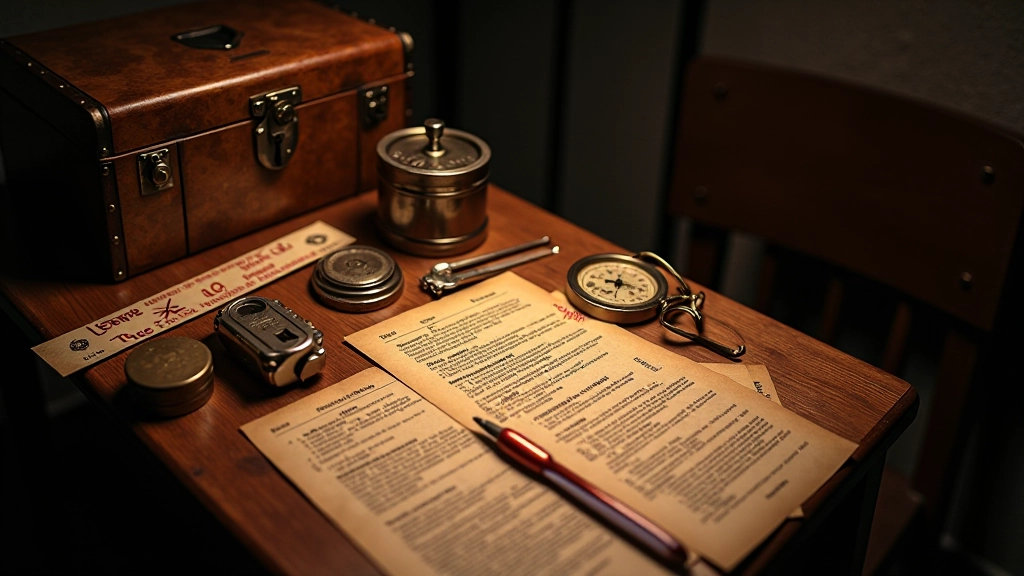
The setup is straightforward. Teams of 4-6 people sit together with a case file and a series of clue cards. You’ll get questions about forensics, detective work, criminal psychology, famous cases, and logic puzzles. But here’s the twist — the questions themselves contain hints about who the culprit is. You’re not just trying to score points. You’re gathering information that helps you identify the killer before the final round.
Most events take 2-3 hours. The first 90 minutes is the quiz portion where clues come in. Then there’s a 15-minute deduction phase where teams review everything they’ve learned. Finally, you submit your answer — the team that identifies the culprit correctly wins. If multiple teams get it right, the tiebreaker is how many clues you collected along the way.


How the Mechanics Actually Work
Each quiz typically has 40-50 questions spread across three rounds. Round One focuses on foundational knowledge — basic crime facts, forensic terminology, famous detectives. You’re building your baseline. Round Two gets trickier with scenario-based questions and logic puzzles that force you to think like an investigator. Round Three is compressed and harder, testing whether you’ve picked up on the subtle clues embedded in earlier rounds.
Here’s what catches most people off guard: you don’t get immediate feedback. You answer, you move on. You won’t know if you got it right until the final reveal. This changes strategy completely. Teams start comparing notes between rounds, debating answers, second-guessing themselves. That’s intentional. The psychological element matters as much as the knowledge.
Scoring is usually 1 point per correct answer plus bonus points for early correct guesses on the culprit. But the real win is getting it right. We’ve seen teams with fewer total points win because they cracked the case. That’s the whole appeal.
Winning Strategies That Actually Work
The difference between guessing and solving comes down to how you process information.
Pattern Recognition Over Individual Answers
Don’t memorize random facts. Watch for themes. If three questions mention DNA evidence and the culprit is a forensic scientist, that’s not coincidence. Questions are designed to point toward the solution. Pay attention to what keeps appearing.
Use Your Team’s Strengths
Someone on your team will be stronger on psychology questions. Someone else knows true crime cases better. Divide the mental workload. When a question comes up, the person with the best background takes the lead. Trust their instinct but discuss as a group.
Track Elimination as You Go
Most events give you 4-6 suspects. Each answer eliminates possibilities. Write down who can’t be the culprit based on what you’ve learned. By Round Three, you’ve narrowed it to 1-2 people. This is harder than it sounds but it’s how you move from guessing to deduction.
Read the Case File Carefully
You’ll get details about each suspect before the quiz starts. Age, occupation, location, relationship to the victim. Revisit this file between rounds. Details that seemed irrelevant suddenly matter when they connect to a question. Most teams skim it once. The winners read it three times.
What the Experience Actually Feels Like
The first 30 minutes feel normal. Questions come, you answer, score some points. Conversation is light. But around question 20, something shifts. Someone connects a clue. The energy changes. Now people are leaning in, debating answers with intensity. Voices get louder. Someone’s writing down a theory. You’re no longer playing trivia. You’re investigating.
“The moment we realized the professor couldn’t have done it because of the forensics question, everything clicked. We went from guessing to actually knowing. That shift is electric.”
— Michael, 52
By the deduction round, tables are quiet. Intense. Teams are reviewing their notes, debating their final answer. Some groups get animated arguments about whether it’s suspect A or B. Others sit in focused silence. The atmosphere in the room is genuinely tense. This isn’t background entertainment. People care about getting this right.
When the reveal happens, there’s real reaction. Teams that got it correct celebrate like they’ve actually solved a crime. Teams that were close but wrong replay the clues, seeing where they went wrong. The winner isn’t determined by who knew the most trivia facts. It’s determined by who thought like a detective.

How to Prepare Without Overcomplicating It
You don’t need to become a forensics expert. Just sharpen your detective thinking.
Most people overthink preparation. You don’t need to memorize criminal codes or study toxicology. What you need is familiarity with how detective work actually works. Read a few true crime books or watch documentaries about famous cases. Not to memorize facts, but to understand investigative methodology. How do detectives approach a crime scene? What evidence matters most? What are common motives?
Talk with your team beforehand about strategy. Who’s strongest on different topics? What’s your approach to elimination? Do you want to discuss answers or make quick decisions? Five minutes of planning saves 20 minutes of confusion during the event. Bring a notebook. Some teams are visual — they draw diagrams. Some make lists. Have materials ready.
Don’t cram the night before. You’re not studying for an exam. You’re sharpening instincts that already exist. Spend an hour watching a crime documentary. That’s it. Your real preparation is thinking like an investigator, not memorizing details.

Why Whodunit Quiz Nights Stand Out
Standard trivia is about memory. Whodunit quiz nights are about deduction. That’s the fundamental difference. You’re not competing on who knows more facts. You’re competing on who thinks better. That appeals to a completely different part of your brain. It’s why people who don’t usually do trivia find themselves genuinely engaged. It’s why teams talk about the event for weeks afterward.
You’ll meet people from different backgrounds, all thinking through the same puzzle. The social element is real. Conversation flows naturally because you’re collaborating on something that matters to the group. Rivalry is friendly because the game is collaborative — you’re all trying to solve the same mystery, even if you’re competing.
If you’ve done murder mystery dinners or escape rooms, you know that feeling — that blend of challenge, social energy, and genuine problem-solving. Whodunit quiz nights deliver exactly that, just in a different format. Less acting, more thinking. Less physical puzzles, more mental deduction. Same satisfaction when you crack it.
Ready to Investigate?
Check out our calendar for upcoming whodunit quiz nights in Ireland. Most events fill up 2-3 weeks in advance. Teams of 4-6 work best. Bring your detective mindset.
Browse EventsInformation Disclaimer
This article provides information about whodunit quiz nights and detective-style entertainment events. Details about specific events, formats, and organizers may vary. Always check directly with event organizers for current schedules, pricing, venue details, and team requirements. This content is for educational and informational purposes only. Experiences described reflect typical event formats and aren’t guaranteed at all locations.
Related Articles