

Mafia Game Rules: A Beginner’s Guide to Role-Playing
Everything you need to know before your first game. We break down roles, voting mechanics, and strategy that actually works when you’re sitting across from experienced players.
Read MoreYou’re not just eating. You’re solving a crime while the killer sits across from you. Here’s exactly how these nights unfold from start to finish.

Murder mystery dinners aren’t improv shows where actors perform while you eat passively. They’re structured investigations where you become part of the story. Everyone gets a character, a background, and secrets to keep. The evening unfolds in acts — introductions, plot development, revelation — with time between courses for you to gather clues and confront suspects.
What makes them work? The best ones give you enough information to theorize but not enough to solve too early. You’ll find yourself actually arguing with the person next to you about who did it. The tension builds naturally because there’s genuine uncertainty about where the story goes next.
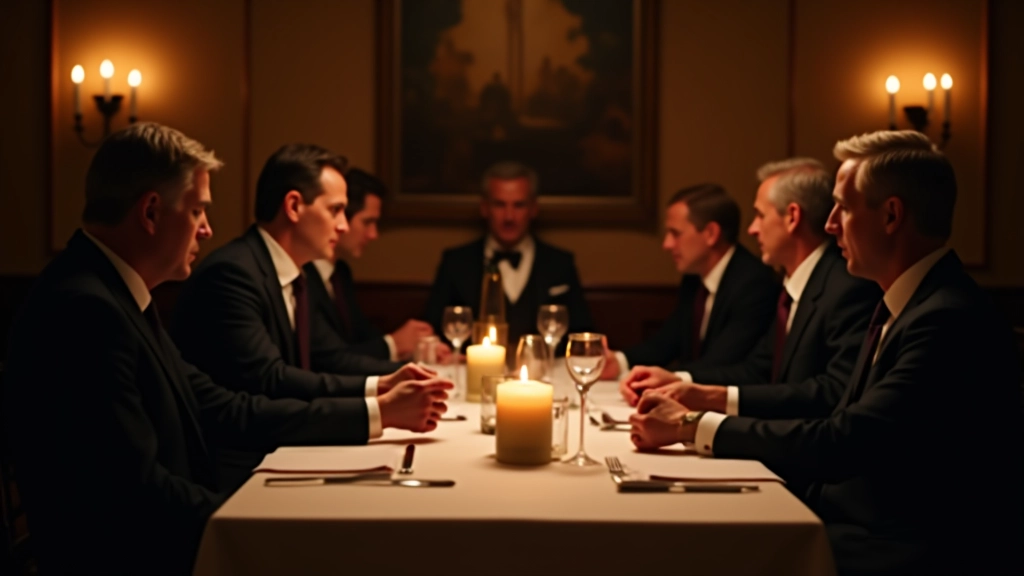
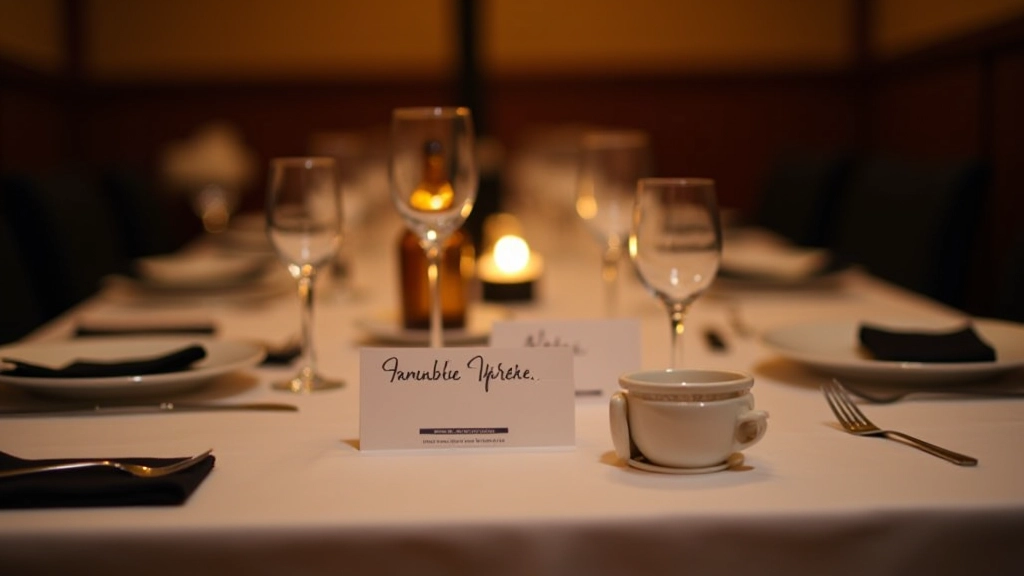
You’ll typically arrive 15-20 minutes early. That’s when you get your character packet. Inside: your name for the evening, your relationship to the victim (or suspect), your secrets, and what you’re supposed to do during the game. It might say you’re a wealthy heir, a suspicious business partner, or someone with obvious motive. The packet also contains clues you’re meant to discover — but not immediately reveal.
The organizers might hand out simple props or costume pieces. Nothing elaborate usually. A wig, a scarf, maybe a fake business card. You’re not becoming an actor. You’re playing a role within your normal self. That’s the appeal for people in their 40s, 50s, and 60s — it’s theatrical without being embarrassing.
Act One happens before the first course arrives. The host introduces the scenario — maybe there’s been a murder, a theft, or a disappearance. Your character gets introduced. You’re given your objectives: find out who stole the inheritance, discover why someone disappeared, solve the mystery. It’s structured but deliberately vague.
Between courses, you’ll have 10-15 minutes to mingle and investigate. You can ask other characters questions. You’ll find clues on cards, in your character packet, or hidden around the table. Some clues are genuine. Some are red herrings. This is where the actual detective work happens — you’re interviewing people, testing their stories, noticing contradictions. It gets competitive. People take it seriously.
Act Two typically happens during the main course. More plot develops. Someone might “confess” to something. A new suspect emerges. The organizers drop additional information that changes what you thought you knew. By now, you’ve probably aligned with others at your table who share theories. You’re negotiating with other groups.


Before dessert, it’s time to accuse. Each group presents their theory about who did it and why. You’ll use evidence from clues, contradictions you’ve found, and motives you’ve uncovered. The organizers listen carefully — they’re tracking which groups solved it correctly and which took wrong turns.
Then comes the reveal. The actual guilty party is announced. Usually it’s someone you suspected but weren’t certain about. Sometimes it’s shocking because you missed crucial clues. The best part? The organizers explain the actual chain of events. How your theory aligned with the truth. Where you went wrong. It’s genuinely satisfying because the mystery was actually solvable — you just needed to piece it together correctly.
Dessert comes with laughter and debate. People who thought they were clever discover they weren’t. People who guessed right get bragging rights. The entire room is buzzing because everyone actually engaged with the same puzzle simultaneously.
People often worry they’ll be forced to “act.” That’s not it. You’re just playing a character in conversation. Nobody’s doing monologues or theatrical bits. You’re talking to other guests about your character’s background and motivations, which feels natural because you’ve been given a context for why you’re talking.
The food is real, not performance. You’ll eat an actual three-course meal. The mystery is woven around it, not instead of it. Most people comment afterward that the food quality was better than they expected because the restaurant takes the catering seriously.
The social aspect is genuine. You’re meeting people from different tables, comparing notes, making alliances. By the end of the evening, you’ve interacted with 30+ people in a context where conversation is naturally structured. It’s less awkward than typical networking events because you all have defined roles and objectives.
One detail people don’t anticipate: you’ll actually care about solving it. Not in a competitive way necessarily, but intellectually. You’ll find yourself thinking about clues during the main course, testing theories, noticing when someone’s story doesn’t align with what you heard earlier. Your brain stays engaged.

Murder mystery dinners succeed because they solve a real social problem: how to have genuine conversation with strangers. The structure gives you permission to talk to people you don’t know. Your character provides context. The mystery gives you something to discuss besides weather and small talk. You’re collaborating on a puzzle that everyone finds interesting.
There’s also something satisfying about being treated like you’re intelligent enough to solve something. The mysteries are genuinely designed to be solvable. They respect your ability to notice details, make logical connections, and work with evidence. That appeals to people who spend their careers problem-solving. You’re using your actual skills, not pretending.
The evening works because it’s structured play. You know the boundaries — it’s a game with clear rules and an endpoint. You’re not committing to becoming a character for hours. You’re participating in a specific event that has a beginning, middle, and resolution. That’s psychologically comfortable. You can relax into it knowing exactly what you’re signing up for.
The real value isn’t in solving a fictional crime. It’s in spending an evening where your attention is fully focused, where conversation flows naturally around a shared objective, and where you leave feeling like you actually engaged with something interesting and the people around you.
This article is informational content describing how murder mystery dinner parties typically operate. Event experiences vary based on organizer, venue, and specific scenario design. Always review event details provided by your specific host or venue before attending. Individual experiences may differ from the general process described here.